
I don’t remember which animal we saw first in the Serengeti.
What I remember perfectly is the moment we stopped thinking about ourselves.
At home, the mind is always racing. Work, commitments, deadlines, things to do tomorrow.
In the Serengeti, something unexpected happens. Those thoughts slowly begin to disappear, one after another, until there is only one thing left: what is right in front of you.
The grass moving.
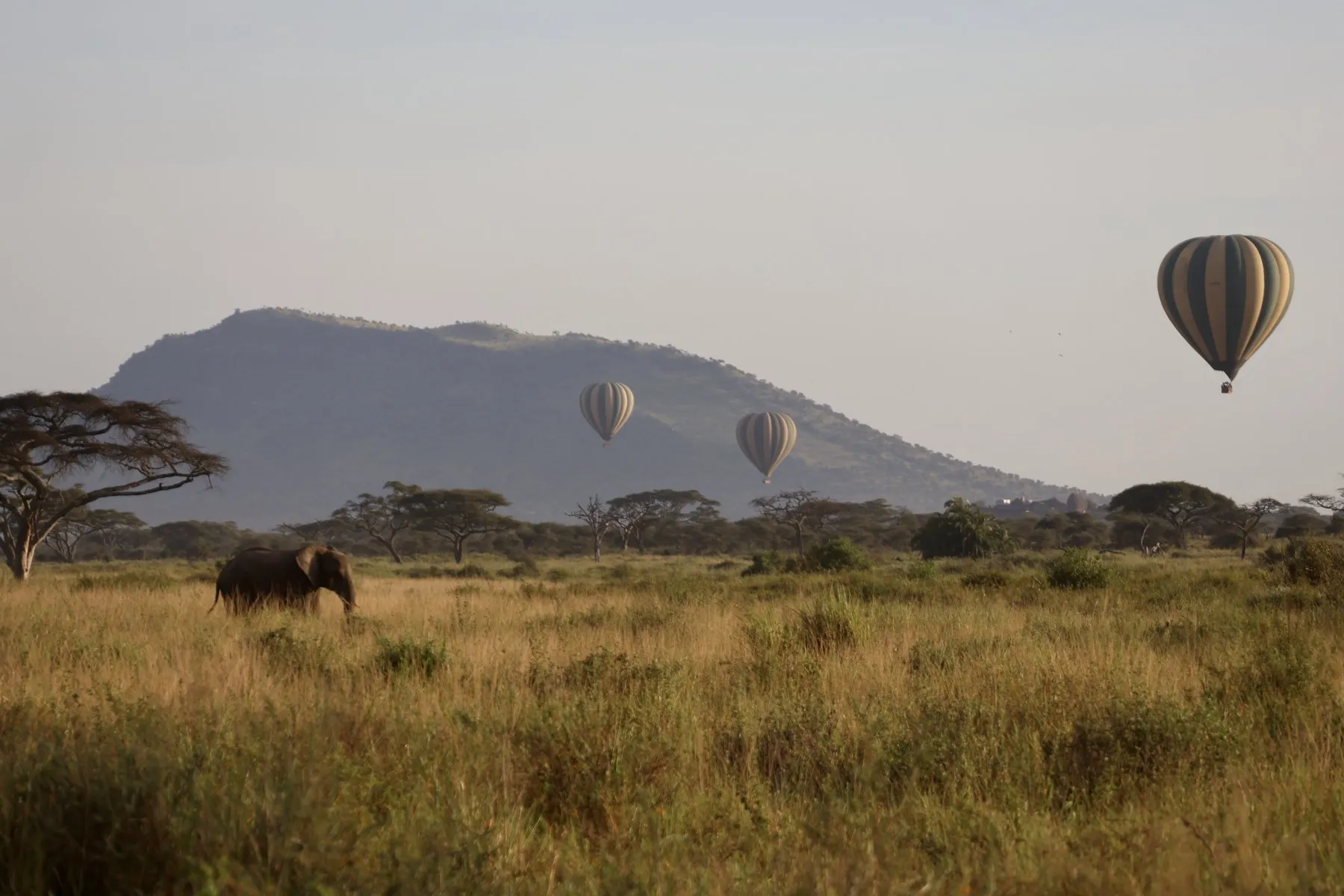
An elephant appearing on the horizon.
Silence.
The feeling of being a guest in a world that has no need for us to exist.
And perhaps that is the most powerful emotion Africa has ever given us.
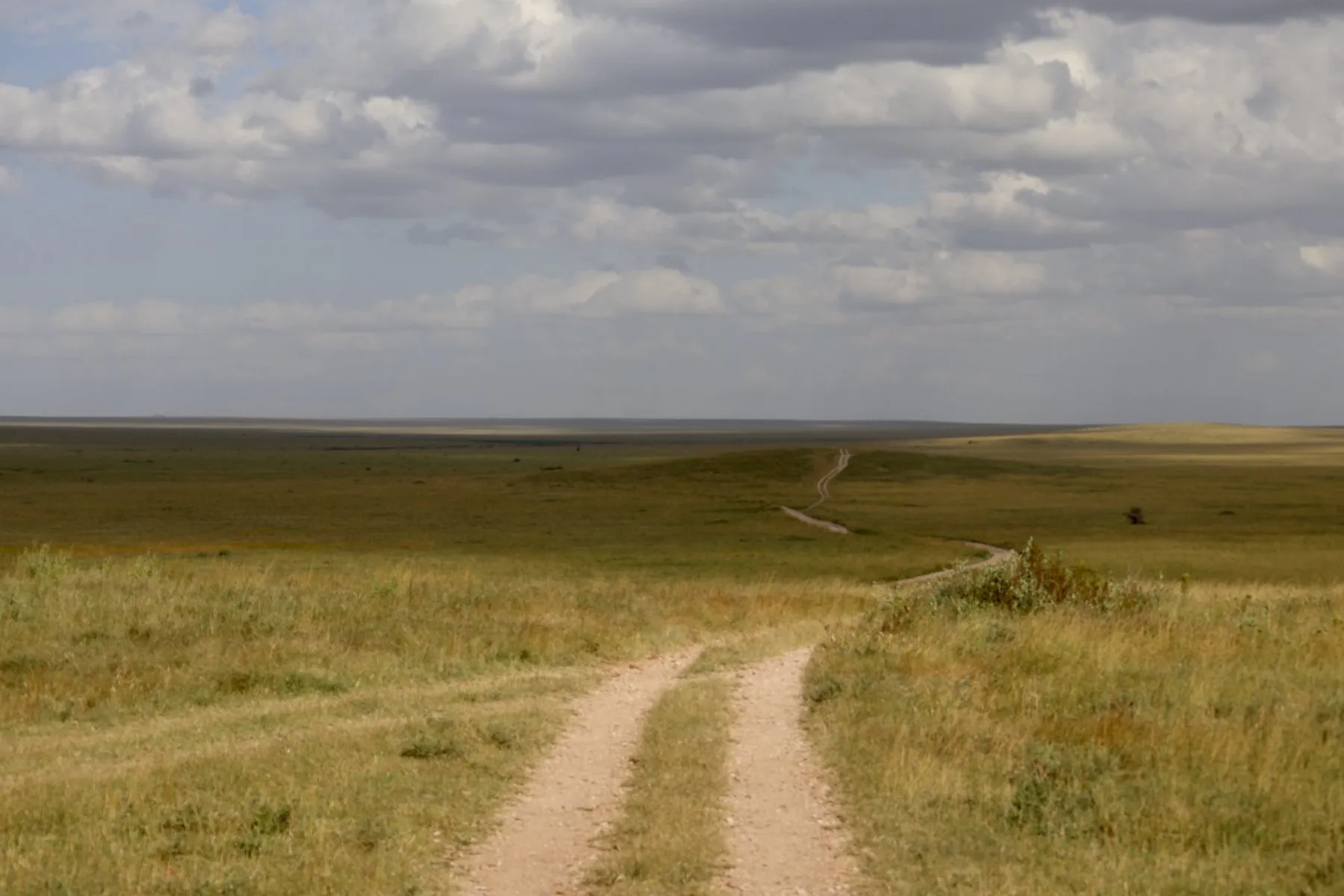
The Maasai call this place “Endless Land.”
When you are there, you understand that this is more than a geographical description. In front of you stretches an endless landscape that seems empty, almost motionless.
And yet, hidden in the tall grass left behind by the rains, one of the richest wildlife ecosystems on the planet is constantly moving.
The Serengeti asks you to slow down, observe and wait. And when you finally learn how to look, you realise that its true immensity is not the landscape itself, but the life it holds.
Serengeti safari in May: why we chose the green season
We arrived in Tanzania at the end of May, travelling through the parks of the Northern Circuit. Of all of them, the Serengeti was where we spent the most time and, probably, the place that left the deepest impression on us.
When you search online for information about the Serengeti, you will often find recommendations for the months associated with the Great Migration, when thousands of animals move between Tanzania and Kenya.
We chose a different time of year.
The rainy season had just come to an end.
The savannah was green. The grass was tall. The colours were intense.
And, most importantly, there were very few safari vehicles.
What we found was a Serengeti that may have been less spectacular on paper, but infinitely more emotional as an experience.
For hours, we crossed immense plains without seeing almost anyone else. Just us, the sound of the engine and that extraordinary feeling of being guests in something much larger than ourselves.
The birth of the Serengeti
Serengeti National Park was officially established in 1951, although the protection of the area had begun several years earlier, when part of the plains had been turned into a game reserve.
The aim was to protect one of Africa’s most extraordinary ecosystems and its remarkable concentration of wildlife.
The creation of the park, however, also had a more complex side. New conservation rules progressively restricted the access of the Maasai to land they had traditionally used for grazing, creating tensions that were eventually addressed, at least in part, through the relocation of Maasai communities to the Ngorongoro Conservation Area.
Poaching exists, and it concerns all of us
Talking about safari inevitably means talking about conservation.
Since the park was established, protecting it has also meant patrolling it every day, because poaching remains a real threat to many African animals and feeds illegal markets worth millions.
The park is part of the TANAPA (Tanzania National Parks) system, which carries out continuous conservation and protection work.
From the early years of the park, figures such as Myles Turner played an important role in the fight against poaching. Even today, this work remains essential to protecting a territory of more than 14,000 square kilometres.
Before our trip, we repeatedly listened to the words of Davide Bomben, whose books and work on African wildlife conservation had already influenced the way we looked at our journey.
One idea in particular stayed with us.
Davide Bomben, a ranger who has spent years working to protect African wildlife, often repeats a concept that is both simple and powerful:
The most effective weapon against poaching is not a gun. It is tourists.
Because tourists who come here give value to the living animal.
Guides have work.
Lodges employ local people.
Communities receive economic benefits.
Rangers can continue their conservation activities.
When a living elephant generates employment and development for dozens of families, protecting that elephant becomes a shared interest.
That is why we believe that visiting Tanzania, Kenya, Namibia or South Africa responsibly is not only an extraordinary travel experience.
It can also be a concrete way of supporting an economic model that protects the land instead of destroying it.
Who are the Big Five, and why should their meaning change today?
When you plan a safari in Tanzania, one of the first expressions you are likely to encounter is “Big Five.”
Almost everyone talks about them.
But many people misunderstand what the term actually means.
The Big Five are not the five largest animals in Africa, as you might imagine.
The expression dates back to the colonial era and referred to the five animals considered the most difficult and dangerous to hunt: lion, leopard, elephant, rhinoceros and buffalo.
Today, that definition feels decidedly distant from the way many travellers see wildlife.
We prefer to give the term a different meaning.
If there is one kind of capture worth taking home from the Serengeti, it is the one made with a camera.
A photograph that preserves an emotion.
A memory that allows the animal to continue living free.
A testimony to the privilege of having shared its space for a few moments.
The animals of the Serengeti
The Big Five may be the animals everyone hopes to encounter on safari, but the Serengeti is so much more than lions, elephants, leopards, buffaloes and rhinos.
Wildlife is everywhere: across the immense grasslands, among the kopjes, along waterways and beneath the trees of the savannah.
Some encounters are almost guaranteed. Others require patience and a little luck.
And often, it is the behaviour of the animals that makes a sighting unforgettable.
Giraffa
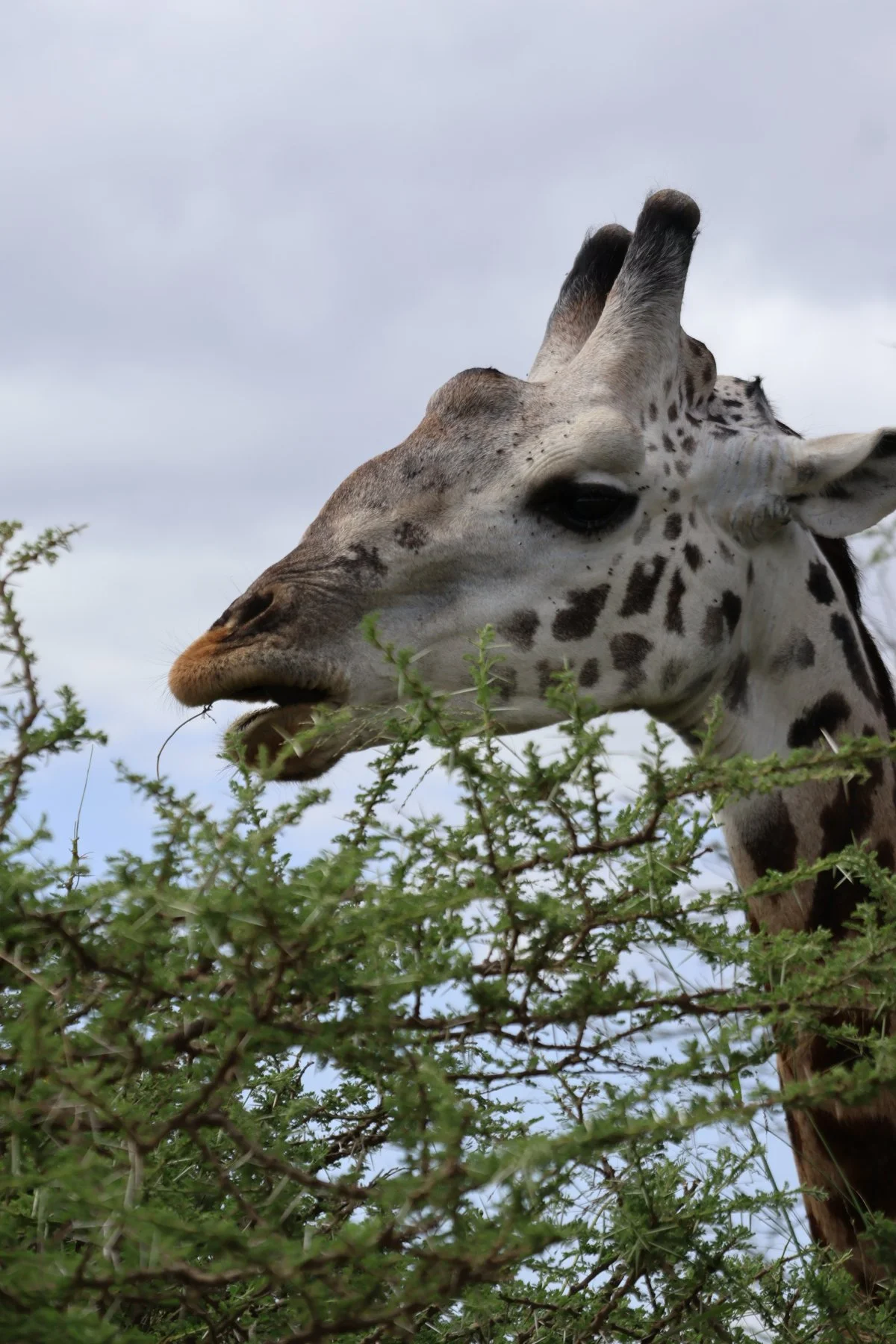
The giraffe seems to live in a world of its own, with its head among the acacias and its gaze always higher than everyone else’s.
You will often see small birds called oxpeckers on its back. They feed on ticks and other parasites, creating a fascinating relationship from which both animals benefit.
And there is another small wonder: every giraffe has a unique pattern of spots, rather like a fingerprint.
Elephant
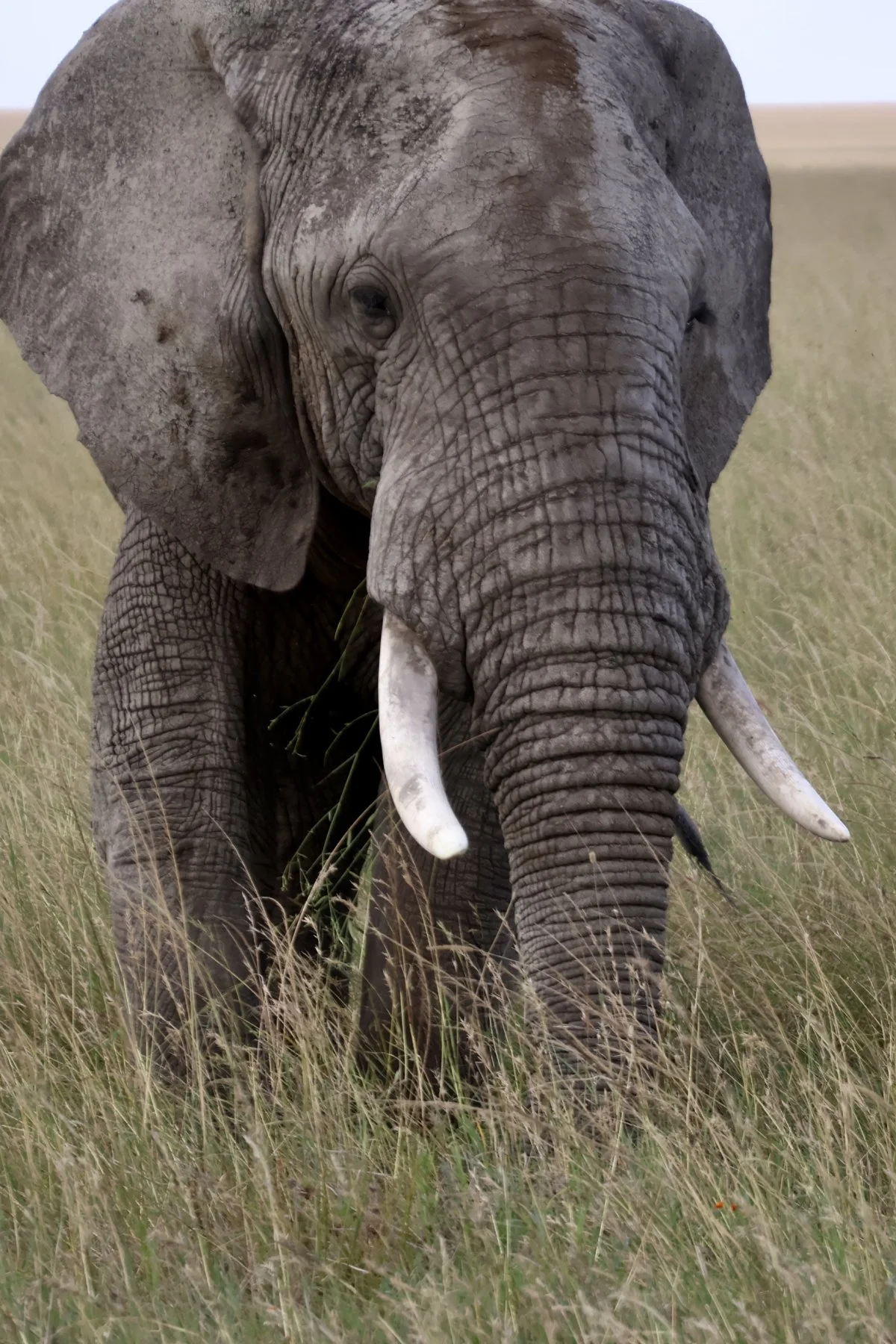
Watching a herd of elephants arrive across the savannah is one of those encounters that suddenly makes everything else seem smaller.
Elephants are highly social animals. They generally live in groups led by an older female and are famous for their memory: they can recognise places, routes and other individuals even after long periods of time.
In the Serengeti, elephants move mainly through areas where they can find trees, shrubs and water.
Lion
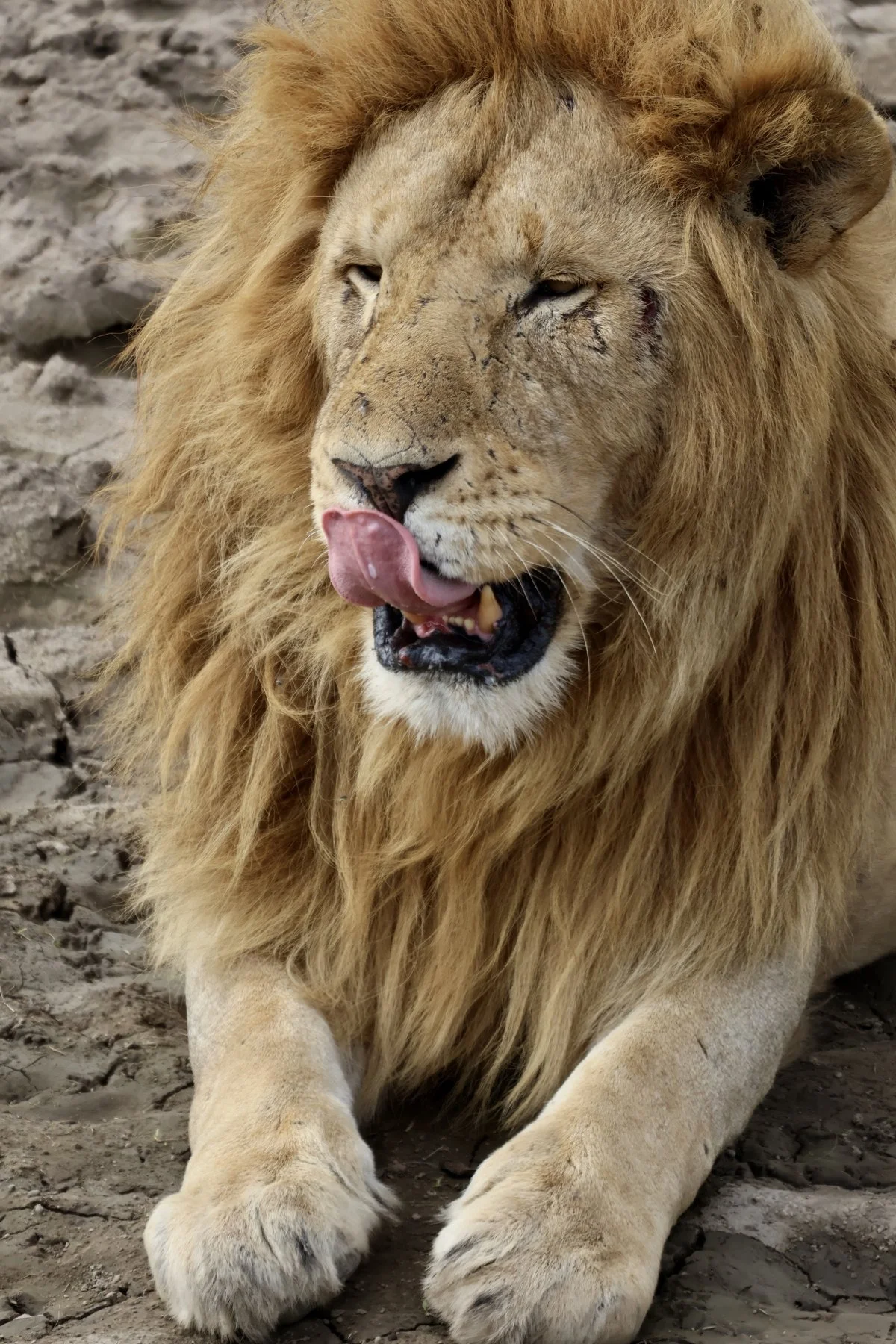
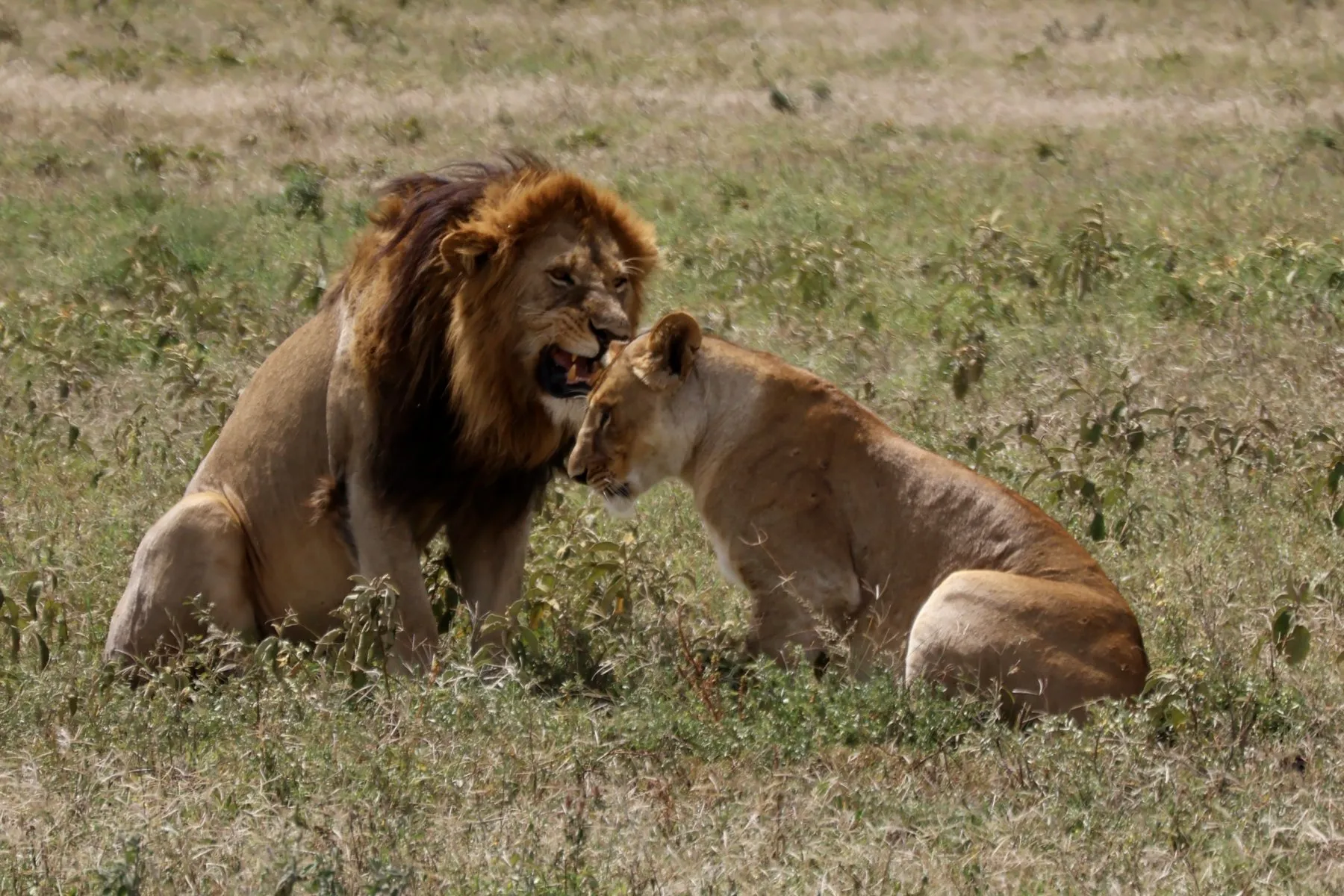
The lion is the great protagonist of the savannah.
But during a safari, you are far more likely to see one resting than hunting.
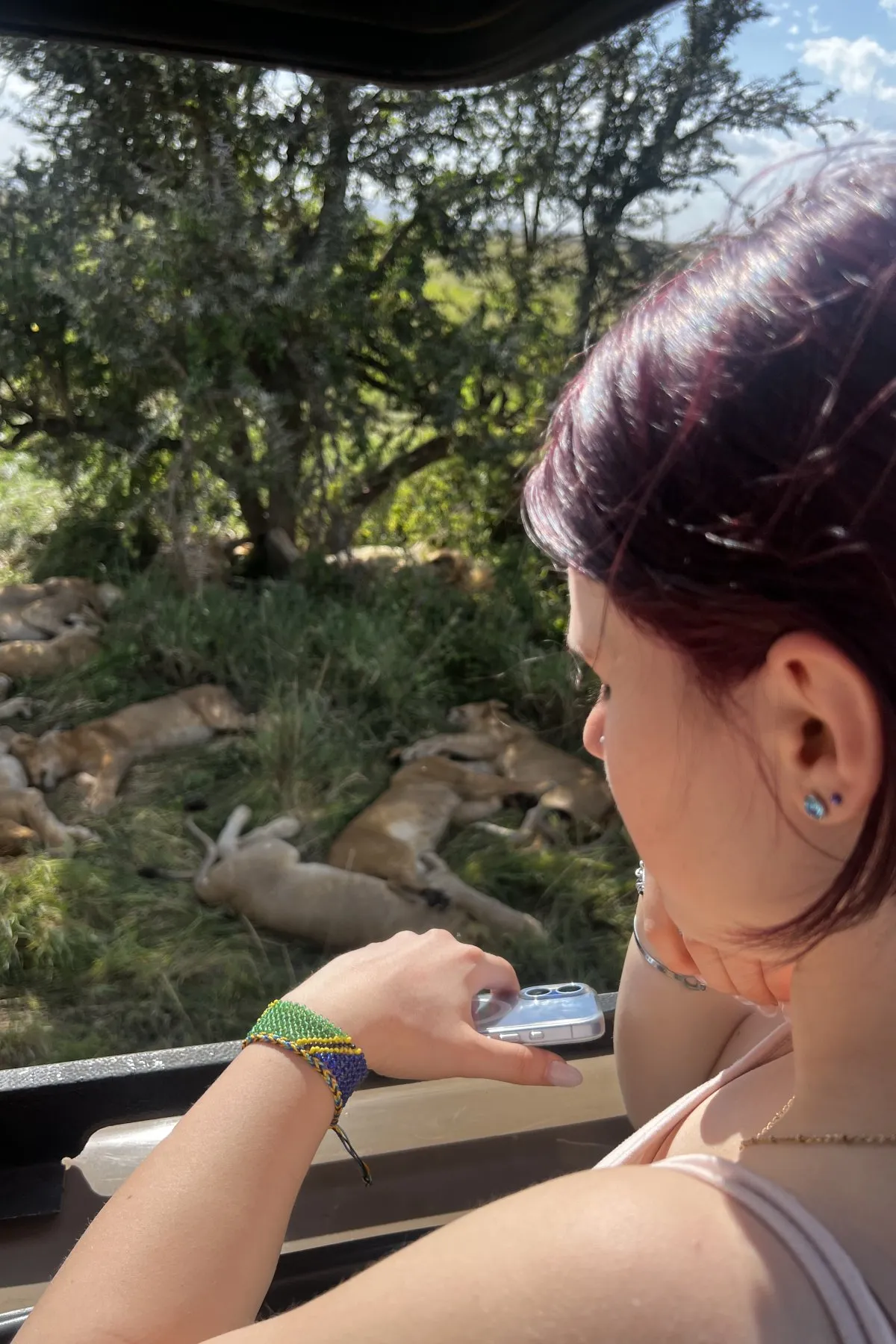
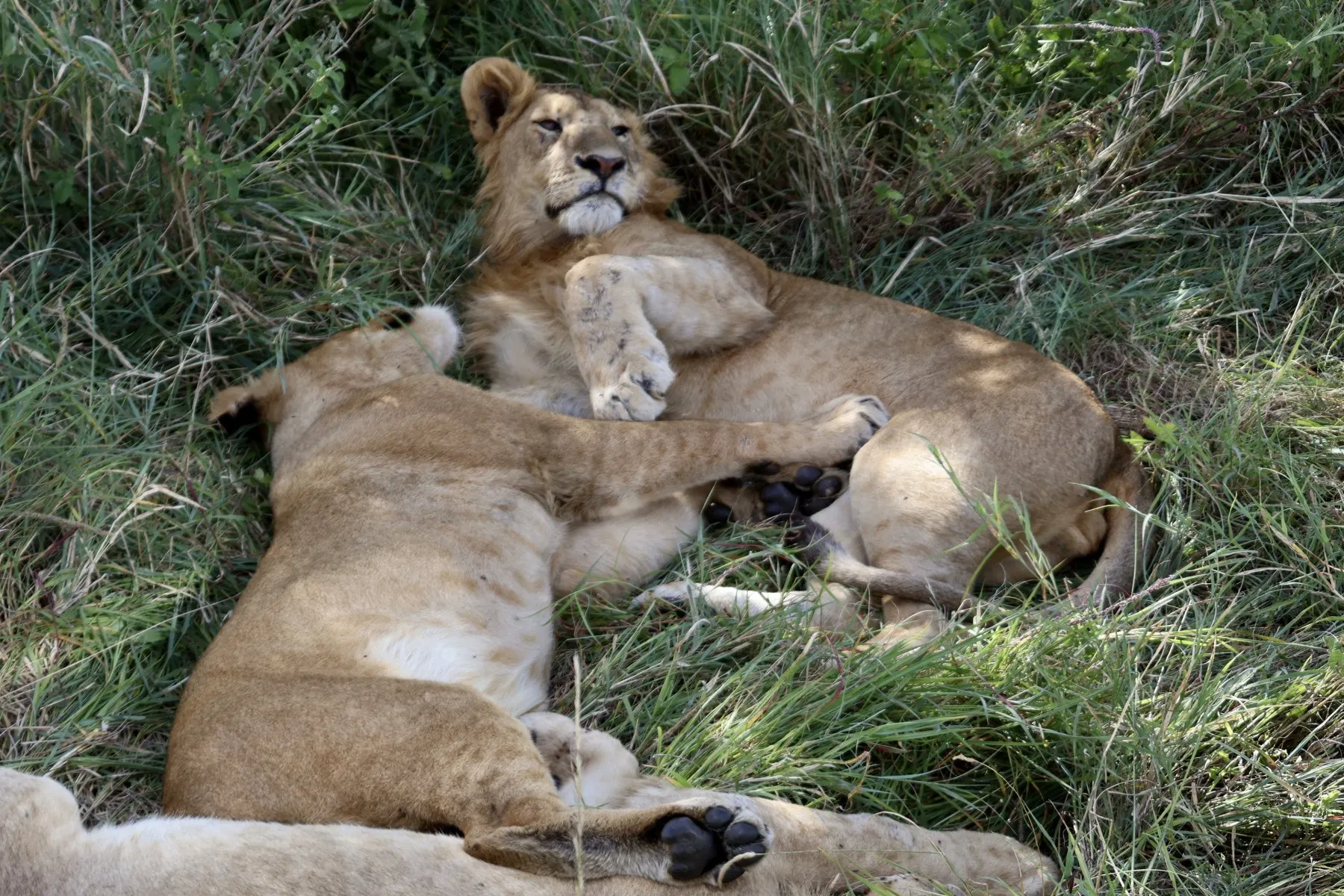
Lions can spend much of the day lying in the shade, waiting for the right moment to become active.
The kopjes — the rocky outcrops that interrupt the Serengeti plains — are among their favourite places to rest and observe the surrounding territory.
Leopard
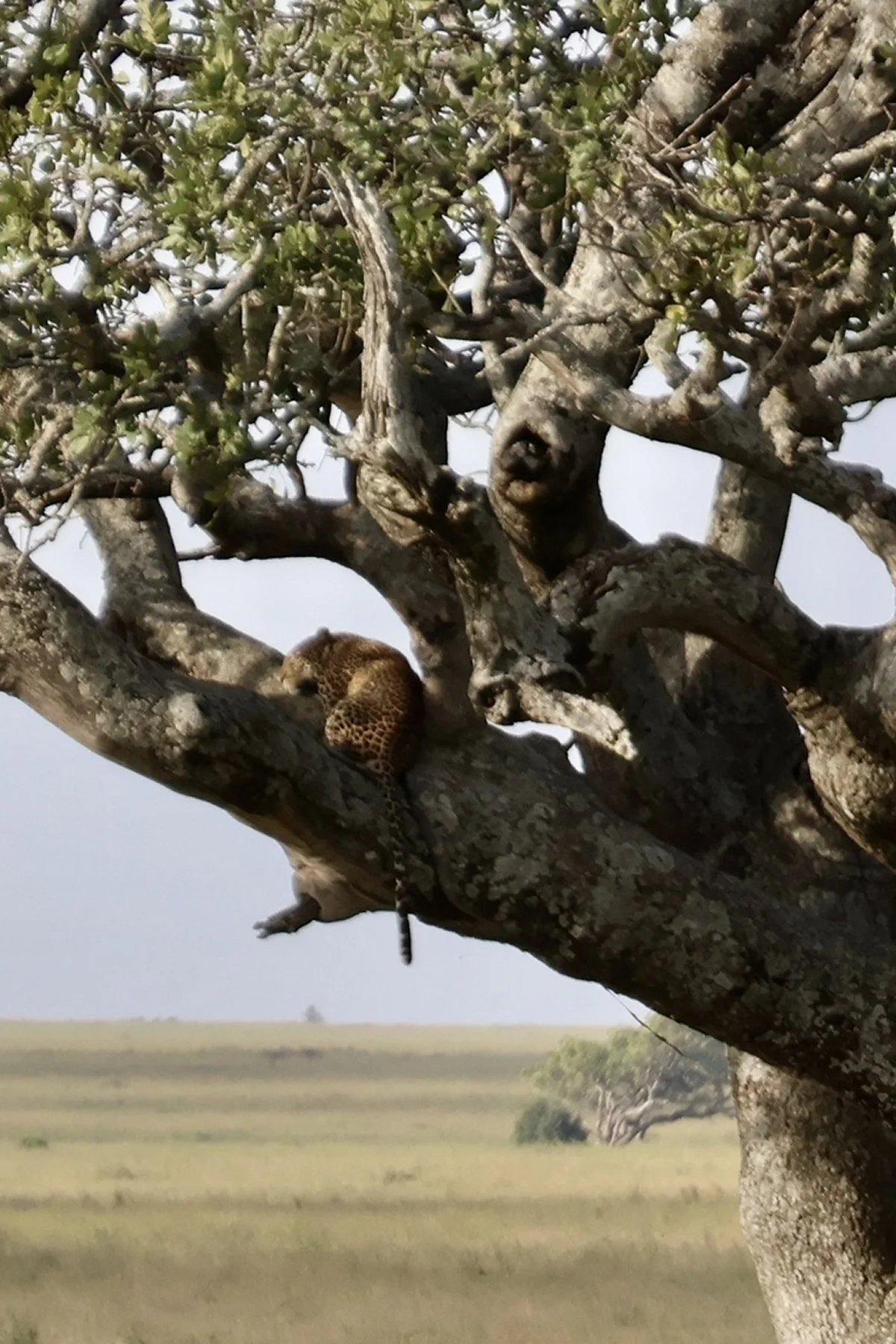
The leopard is the one you have to learn how to find.
It is more elusive and often spends time in trees, where it can rest safely and keep its prey away from competitors.
Its golden coat is covered with rosettes, helping it blend into the patterns of light and shadow.
We saw two leopards, although they were quite far away from us.
We still felt incredibly lucky.
Cheetah
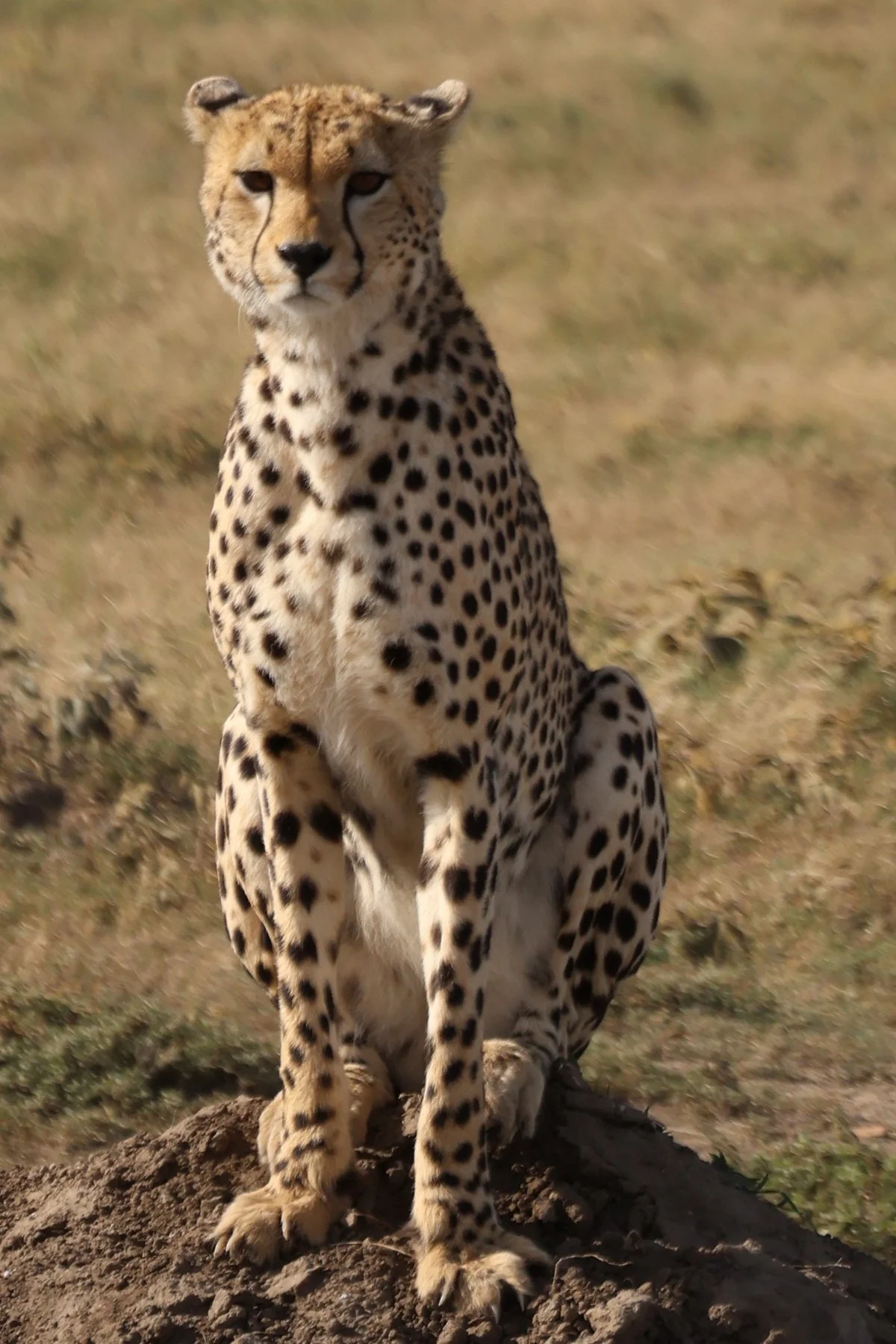
At first glance, a cheetah can be confused with a leopard.
But look more closely and the differences become obvious.
The cheetah is more slender, with a lighter coat covered in black spots and those distinctive dark “tear marks” running from its eyes towards its muzzle.
Unlike the leopard, it prefers open spaces.
Hippo
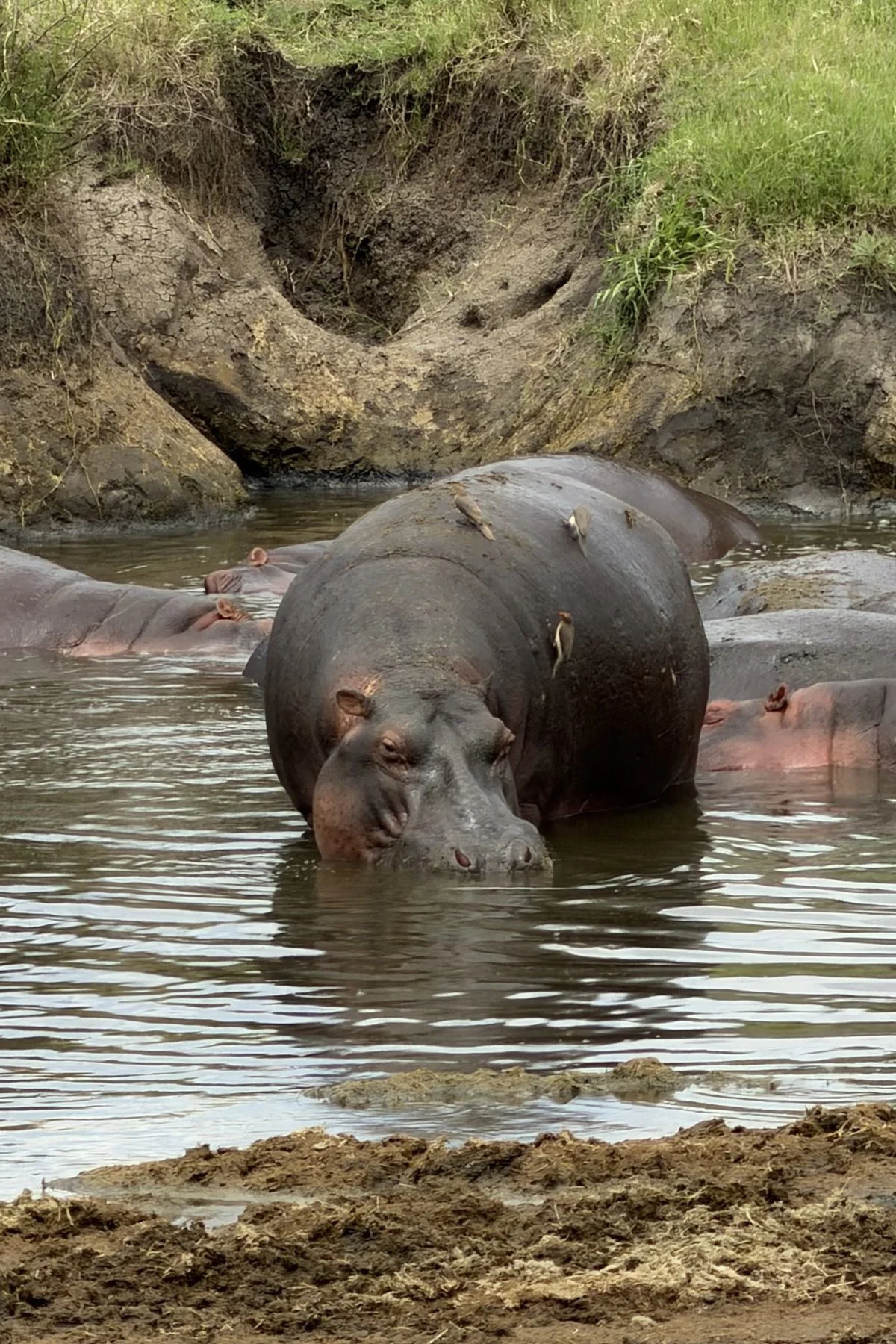
Behind that apparently peaceful expression is one of Africa’s most territorial and dangerous animals.
Hippos spend much of the day immersed in water, but their stillness can be deceptive.
They can be extremely aggressive, even when there appears to be no obvious reason.
Zebra
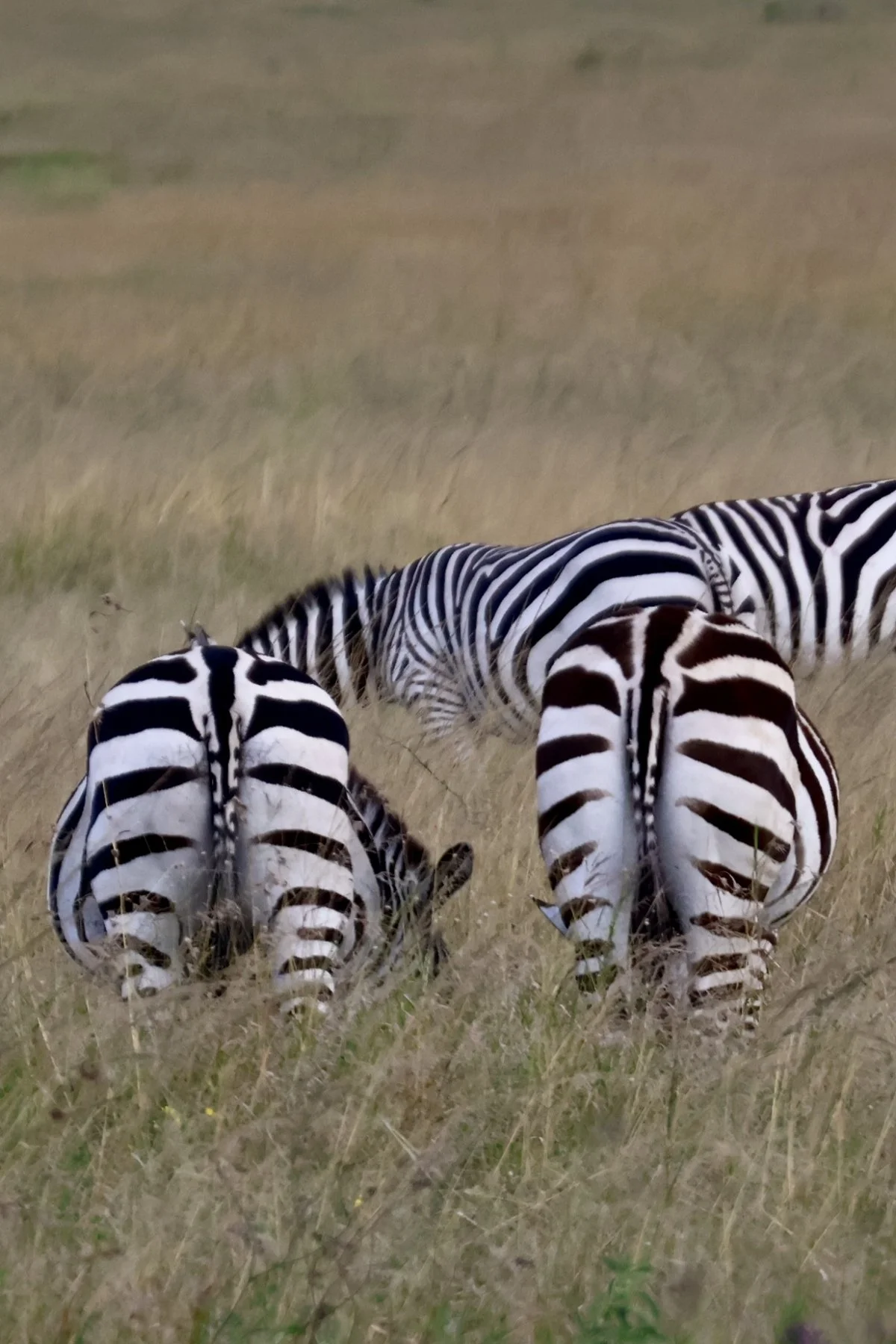
One of the first questions that comes to mind when looking at a zebra is:
Is it white with black stripes, or black with white stripes?
The most accurate answer is that a zebra is considered to have black skin, while the white areas of its coat correspond to places where hair pigmentation does not develop.
And, just like giraffes, the pattern of stripes is different for every individual.
Wildebeest
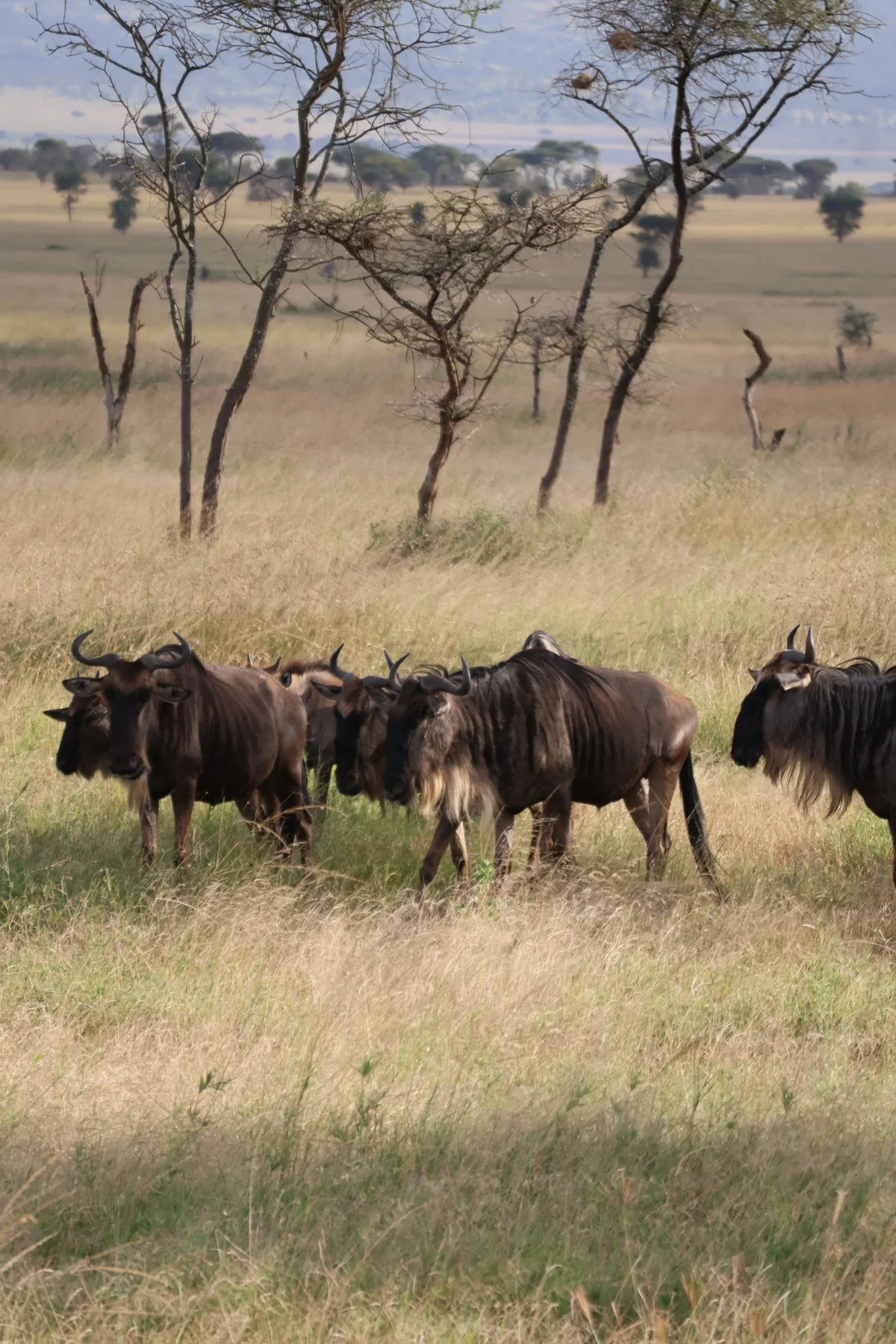
The wildebeest may be less elegant than some of the Serengeti’s other inhabitants, but it is one of the absolute protagonists of life in the park.
Together with zebras and gazelles, wildebeest take part in the Great Migration, one of the most spectacular wildlife movements on Earth.
Millions of animals move through the Serengeti-Mara ecosystem, following water and fresh grazing.
Hyena
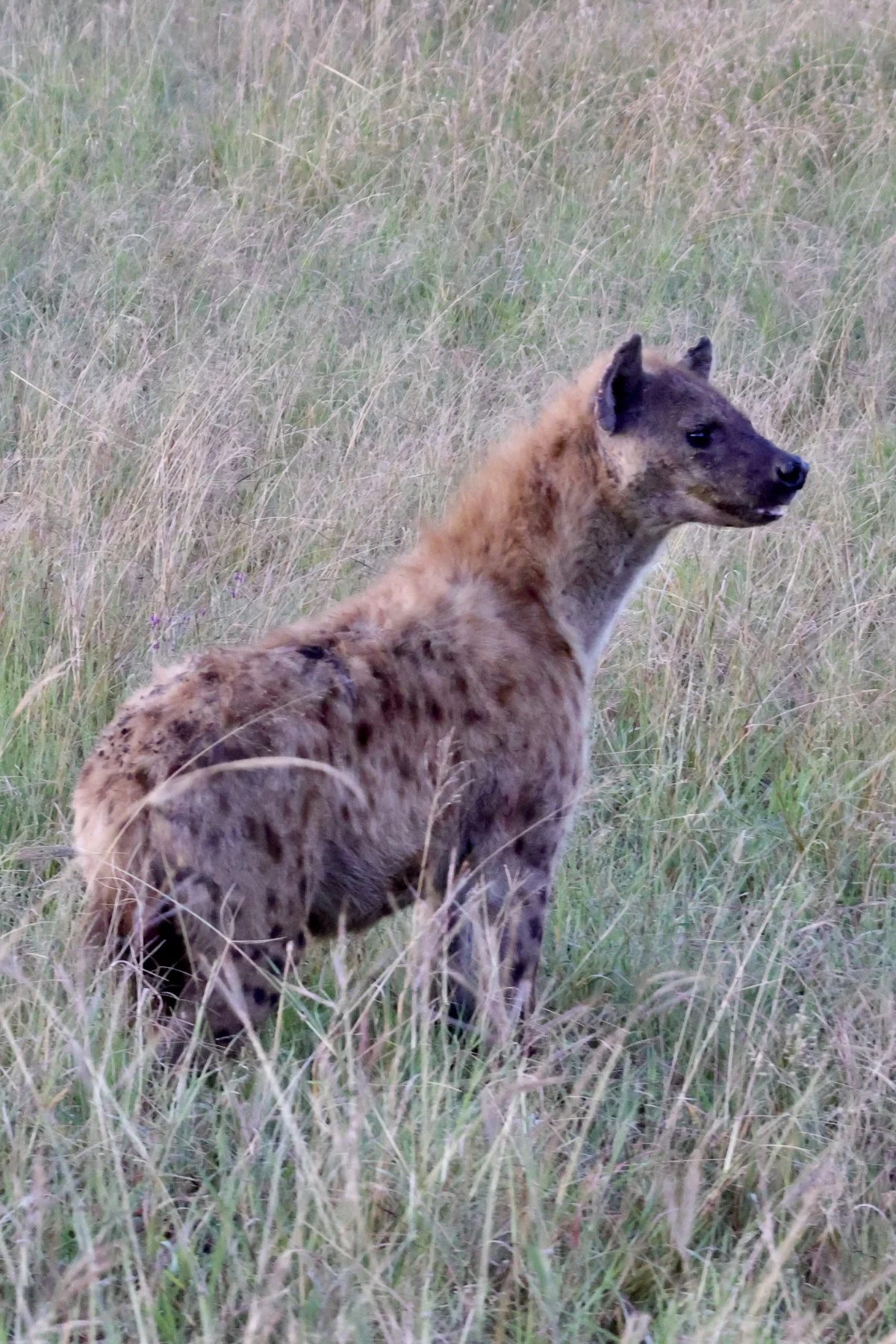
The spotted hyena is an efficient predator, as well as a highly opportunistic animal, and lives in complex, organised groups.
At night, its presence is often heard rather than seen.
We saw hyenas during the day, but at night we could hear them moving and calling outside our tents.
In the darkness of the savannah, it was an experience that is difficult to forget.
How do you find your way through an apparently endless land?
One of the questions we asked ourselves most often during our safari was always the same.
How do they find their way?
In front of us were hundreds of square kilometres of savannah.
There were acacia trees, of course, a few hills on the horizon and then the kopjes — rounded granite rocks rising out of the Serengeti plains.
An horizon that seemed identical in every direction.
And yet our guides always knew where to take us.
They knew the landscape with astonishing precision.
They communicated with each other by radio whenever an important sighting occurred, and within minutes safari vehicles would converge on a precise location.
But what impressed us most was that they never gave us the impression that they were chasing nature.
It seemed more as though they knew how to listen to it.
Read the signs.
Interpret the landscape.
Understand where the animals might be.
When you stop taking photographs and start observing
At the beginning of a safari, you take photographs constantly.
Pictures. Videos. Rapid-fire clicks to capture every moment.
Changing lenses to get closer to the details or capture the immensity of the landscape.
Then something changes.
The camera stays on your lap more often.
The phone remains on the seat.
And you simply start to observe.
You wait for the grass to move.
You follow tracks across the damp earth.
You try to understand what the giraffes are looking at while the oxpeckers groom their skin.
You listen to hippos calling from the water.
You find yourself smiling at a baby elephant that clumsily runs to hide beneath its mother.
And then you meet the nervous gaze of a solitary male elephant beside the road.
The jeep stops.
For a moment, everything becomes silent.
He is deciding whether to ignore you or remind you who is really in charge.
That is when the safari stops being a hunt for sightings and becomes a conversation with nature.
Lions, leopards and the cheetah that made us wait until the very end
During our time in the Serengeti, we encountered most of the park’s iconic animals.
Pride after pride of lions lying in the shade during the hottest hours of the day.
Leopards perfectly camouflaged among the branches of trees.
Hyenas. Gazelles. Antelope.
Buffaloes. Birds of prey.
An incredible amount of wildlife.
Only one was missing: the cheetah.
For days, we didn’t see a single one.
Then, just when we were about to leave the Serengeti, there it was, appearing beside the road.
Almost as if it had come out specifically to say goodbye.
Inside our jeep, we often joked that the cheetah was the “big cat” of the savannah in a completely different way from the powerful lions whose roars dominate these plains.
Slender.
Elegant.
With those dark tear marks running from its eyes, almost as if it were wearing make-up.
Perhaps precisely because it had made us wait so long, that sighting became one of the most beautiful memories of the entire journey.
The real sustainability is being there when nobody else is
In recent years, the word sustainability has been used in many different ways.
For us, after this journey, it acquired a very concrete meaning.
Being here.
In this season.
When thousands of people are not concentrated in the same places.
When pressure on the land is lower.
When lodges, guides and local communities still need tourism to support themselves.
Choosing less crowded periods means experiencing a more authentic Africa while also spreading the economic benefits of tourism throughout the year.
It means bringing resources where they are genuinely needed.
It means contributing to the conservation of a natural heritage that belongs to everyone
Why the Serengeti keeps calling you back
It is difficult to explain what the Serengeti really feels like.
Photographs help. Videos help. Stories help.
But none of them can completely recreate the feeling of being a tiny dot in the middle of an immense world that has no need for you to exist.
Perhaps that is exactly why Africa gets so deeply under your skin.
It reminds you how small you are.
It reminds you how great nature is.
And once you return home, you realise that part of you has remained there, in that Endless Land where time slows down, thoughts become lighter and life continues according to ancient laws that no human being will ever be able to control.
That is why we would return a thousand times.
Because you never really visit Africa just once.
Africa gets inside you. And then, patiently, it keeps calling you back.
Sleeping in the Serengeti: the experience that changes the journey
Visiting the Serengeti during the day is extraordinary.
Sleeping inside it is something else entirely.
We stayed in a tented camp located inside the park.
In the evening, everyone gathered around the fire.
Conversations slowed down.
The lights disappeared.
Above our heads appeared a sky we have almost forgotten exists in Europe.
One of the most vivid memories we brought home was that night sky.
Venus and Jupiter were almost perfectly aligned above the camp, forming a vertical line that looked as though someone had drawn it across the darkness.
For a moment, we felt as if time had stopped.
As if that precise celestial alignment were a reminder that we were there, in that place and at that unrepeatable moment.
And somehow, we knew that we would remember that sky forever.
The sky of the Serengeti.



Leave a Reply